


>>Status: Extint in the Wild
This is because Mexico's populations began to grow too much during the 20th century. This caused humans to go deeper and deeper into the forests that were the natural habitat of the Mexican Wolf. People began to destroy their habitat and hunt the natural prey of the Mexican Wolf such as the White-tailed Deer (Odocoileus virginianus). ) which caused many Wolves to have no other alternative but to hunt livestock to survive, once the wolves began to feed on livestock, the ranchers of The US and Mexico began a campaign to hunt and kill them, they mainly used a poison called 1080, this combined with the spread of erroneous information that wolves were a danger to people, which caused a massive slaughter of wolves and unfortunately this not only affected the Mexican Wolf but also other carnivores such as the Red Lynx (Lynx Rufus) or the Gray Bear (Ursus arctos Nelsoni) which became extinct. in the 20th century.
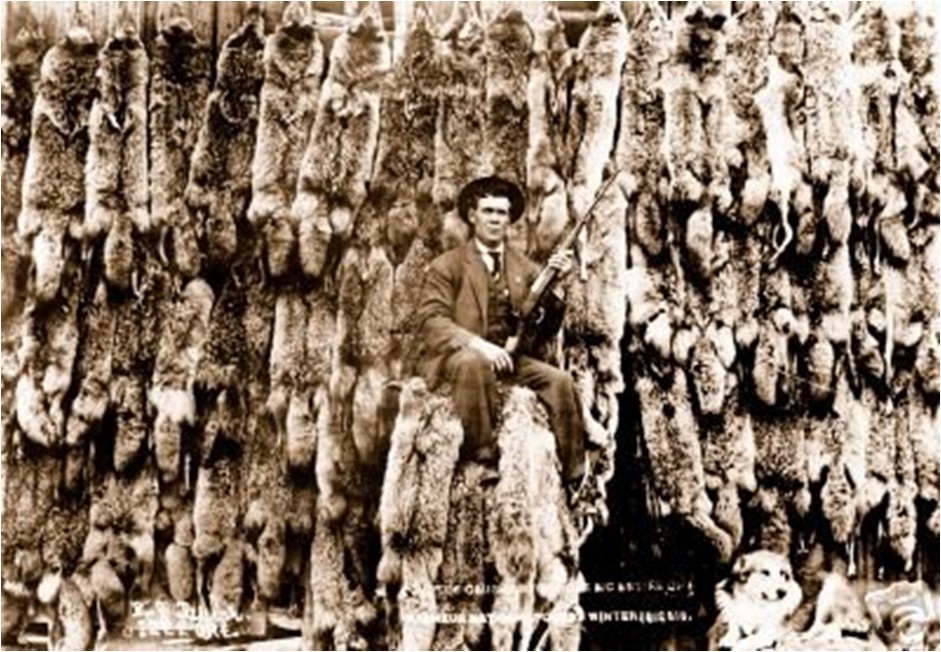
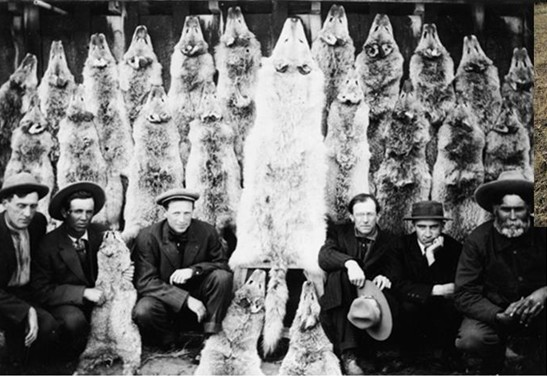
At the end of the massacre, a group of environmentalists concerned about the situation of the Mexican Wolf, hired a poacher named Mc.Bride to capture the few individuals that were left free. He managed to capture 4 wolves (including a pregnant wolf), that together with the Ghost Ranch Lineage and the San Juan de Aragón lineage, efforts were initiated for a captive breeding program.
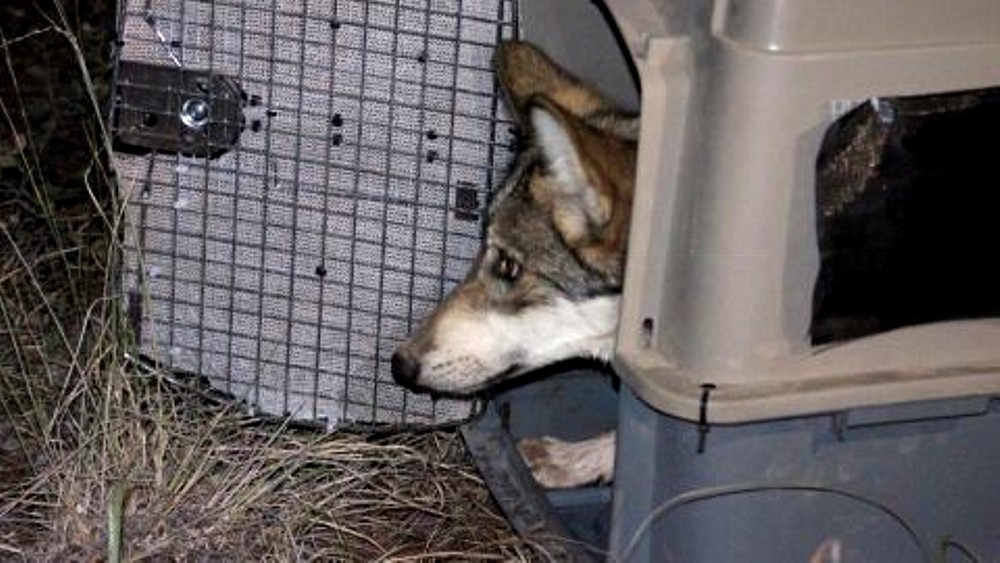
On October 11, 2011, 5 wolves were released in Sonora, however 4 of them were killed by ranchers in Sonora and the remaining female was captured alive in the United States.
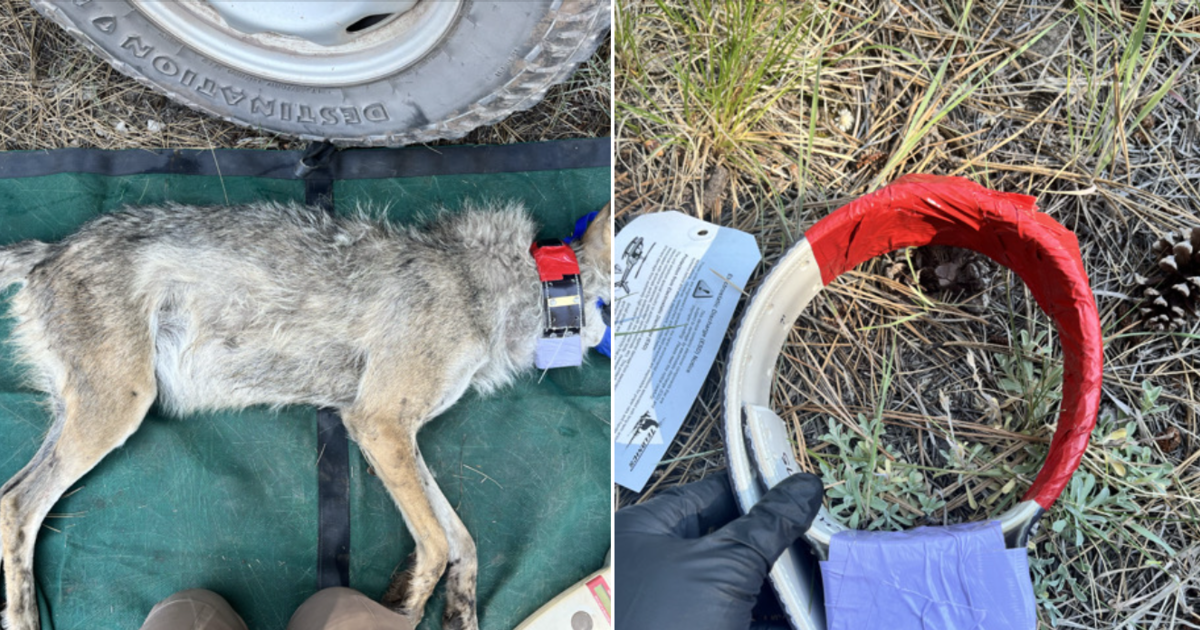
For this reason it is very important to continue with environmental awareness and education programs to ensure the well-being of our Mexican Wolves. >> ¿Como Afects Mexican Wolf extintion to Enviroment?
In addition to all this, the destruction of its habitat has been devastating during the last 50 years, mainly due to excessive logging, illegal logging, forest fires and extensive livestock farming
.
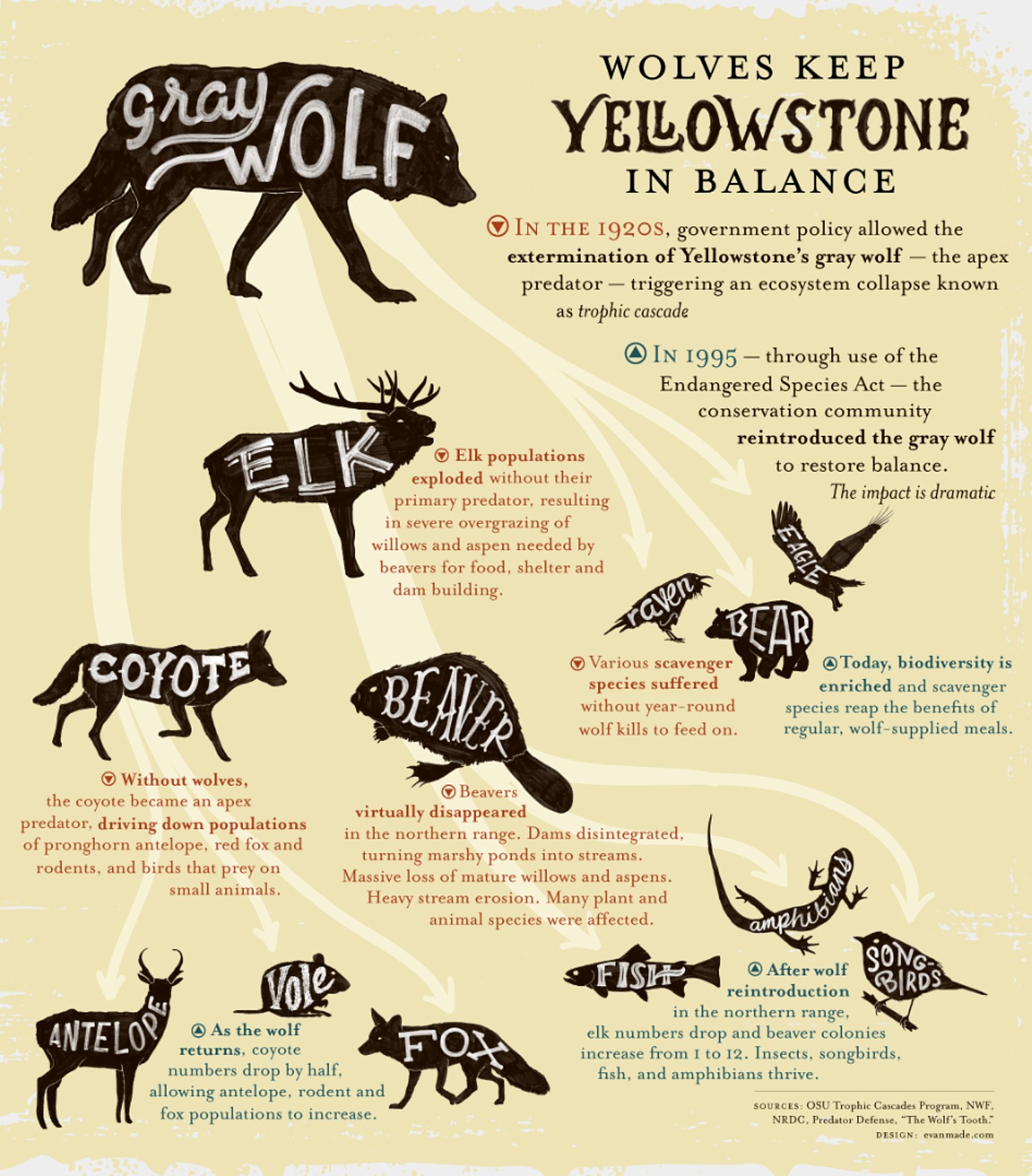
The disappearance of such an essential carnivore in temperate forests and deserts causes a disorder in the food chain that in turn affects populations of herbivores such as deer and rabbits. The overpopulation of these animals in turn creates problems of soil erosion and desertification, these problems directly affect ecosystems and aquifers
Yellowstone National Park was the live experiment that demonstrated how important are Wolves for the ecosystem and wich is the difference between having wolves on the national park and what happens when the wolves dissapear:


-----------------------------------------------------------------
If you know someone who is hunting, harming or destroying the habitat of the Mexican Wolf, you can make your report by clicking on the following image:

------------------------------------------------------------------------